
BANBOX for War Fighters
Train Like a Soldier.
Recover Like a Warrior.
Purposeful movement for service members and veterans—through training, daily life & rehabilitation.
STRENGTH FOR THE EVERYDAY MISSION
Built for strength. Made for movement.
BANBOX helps service members and veterans train grip and pinch strength, hand and wrist control, and forearm endurance for the physical demands of training and everyday life.
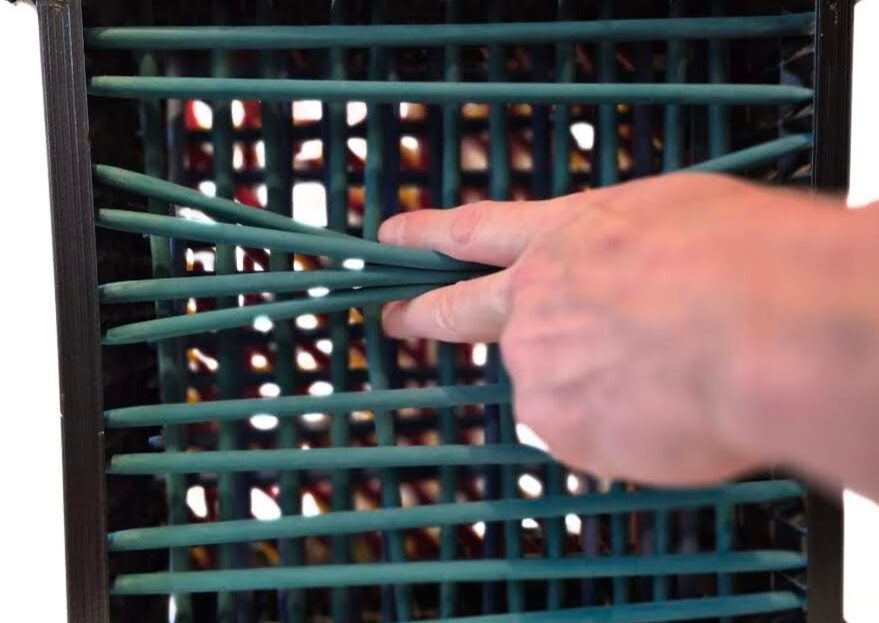
Its stationary system uses multidirectional resistance to work the fingers, hands, wrists, forearms, elbows, and shoulders. Grip, pinch, press, pull, open, or twist—using individual fingers or the whole hand.
GRIP & PINCH
Train your hands and forearms for the demands of your routine.
OPEN & MOVE
Explore finger opening, presses, and controlled rotations.
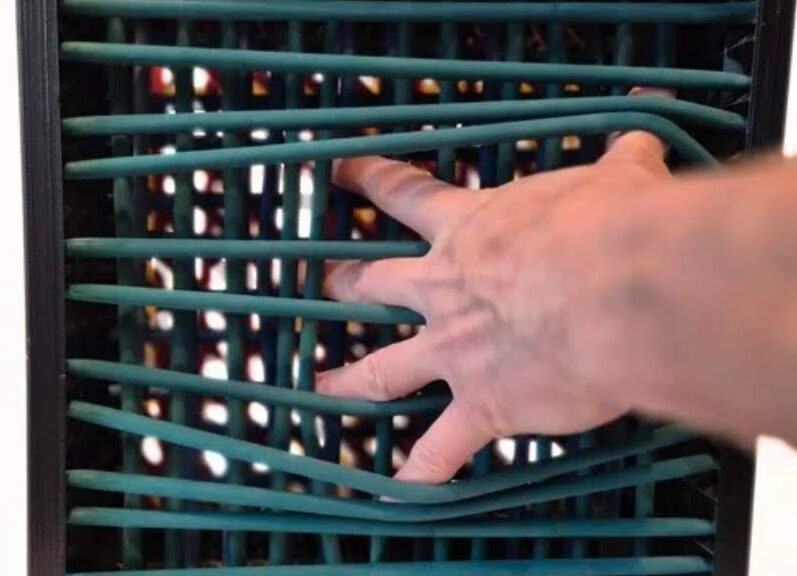
TRAIN YOUR WAY
Warm up, add resistance work, or move after training.
Rehabilitation & readiness
BANBOX brings hand and upper-extremity resistance exercises into occupational, physical, and hand-therapy programs. Grip, pinch, finger opening, and controlled wrist movements give clinicians options for working on strength, mobility, dexterity, and functional movement.
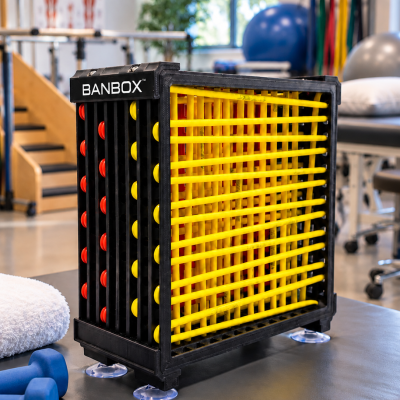
After an injury, surgery, or a change in hand function, a therapist can select movements and resistance to match the individual’s goals and stage of recovery. For therapy and rehabilitation, BANBOX recommends Yellow or Red resistance.
- Grip and pinch strength
- Individual finger strengthening
- Finger, hand, and wrist mobility
- Hand and forearm endurance
- Dexterity and motor control
- Bilateral coordination and movement sequencing
- Neuromuscular re-education activities
- Sensory and proprioceptive awareness
- Graded resistance and functional movement
- Daily living and adaptive fitness activities
- Return-to-work or duty preparation, when appropriate
- Upper-extremity and combat-related injuries
- Hand, wrist, and forearm fractures
- Tendon, ligament, and nerve injuries
- Post-surgical rehabilitation and joint stiffness
- Amputation-related conditioning, with clinician guidance
- Stroke, traumatic brain injury, and other neurological changes
- Arthritis and repetitive strain
- Grip weakness and coordination changes
- Fine motor and sensory challenges
- Deconditioning after deployment or hospitalization
- PTSD-related restlessness: discuss suitable activities with a care team
Strength for your next chapter.
Purposeful movement for training, rehabilitation, and everyday life.